
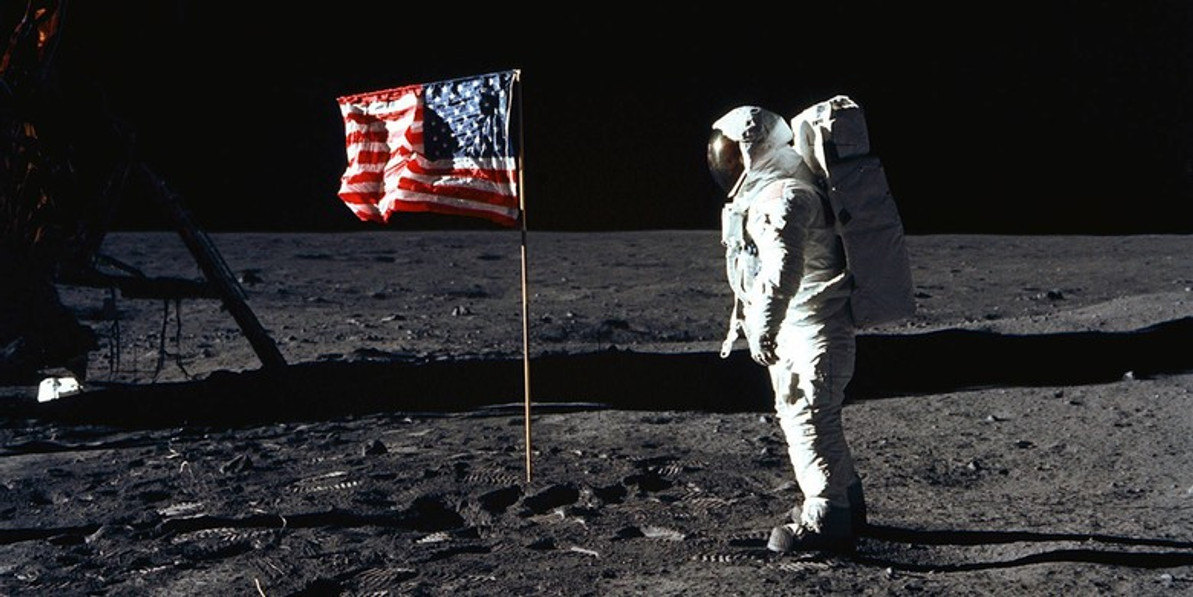
Oral Care in Outer Space - The Curious Story of Toothbrushes in Space
Oral hygiene is one of the most pressing concerns that any astronaut has. Taking care of your teeth in space and brushing properly is a duty that no astronaut can let go of. This is primarily because of the fact that there are no dentistry services in space. So, if your teeth go bad, and you’re on an important space discovery mission that has to last 6-12 months, you will have no choice but to return to earth prematurely. This is one of the biggest failures in an astronaut’s career and they just cannot afford to go through something so major. Therefore, good oral hygiene is one of the top most priorities for an astronaut and there have been certain developments over the years in the ways in which it can be achieved in space.
Additionally, there are actual oral screenings that every astronaut has to go through before being cleared for space travel. This is because of the immense level of pressure that is to be endured by the spacecraft which produces vibrations that can seriously harm poorly fit dental fillings and other areas of the jaw. Moreover, the pressure in the atmosphere and other changes in the environment can cause a great deal of pain in any tooth where even a slight cavity is present. The loss of bone mass that astronauts go through while in space also has a role to play in their potentially declining oral health.
In the early days before any major technological developments, the most common ways to maintain good oral hygiene in space was through the use of dry brushing and a product called dental gum. The use of electrical toothbrushes or anything that is needed to be recharged is strictly forbidden in space. Astronauts most commonly use regular toothbrushes accompanied by toothpaste that they have to swallow. Since water is recycled in space and waste kept to a minimum, flossing is also moved one step down on the list of most preferred ways of maintaining oral hygiene as compared to brushing.
There is no solid evidence indicating exactly which brand of toothbrushes was used in which space mission, there can be some estimates drawn from the items that were sold at auction. There can, however, be a progression observed through the years.
Py-co-pay toothbrushes
The final mercury flight was accompanied by the py-co-pay toothbrushes. These were manufactured by the Block Drug Company and were put to use by celebrity astronaut Gordon Cooper. Following that, the Gemini 10 group was also assigned the use of the same brand of toothbrushes. Moreover, they were also to be used in the later years by the crew onboard the Apollo 1.
The py-co-pay manual toothbrushes gained their popularity because of their strength and durability. Its average size and the full functionality as a long-term toothbrush gave it its well-deserved status on earth and in space as well.
The S-19 Lactona Tooth Tip Toothbrush used on Apollo 10 and 11
A few years down the road, more development and advancements in technology brought to us the Lactona Toothbrush. These brushes were put to the test by the crew of Apollo 10 and 11. The Apollo missions included toothbrushes that followed the policy of the spacecraft; every rank in the crew had a separate color label. The meals that were assigned to each crew member also had designated colors and so did the toothbrushes. Examples include red signifying the Commander, and the Lunar Module Pilot was assigned the color blue.

Other brands
The crew aboard the Apollo 15 used a PRO Double Duty toothbrush that was effective in its job but did not gain as much popularity as the lactona ones.
The Oral B-40 was taken to space accompanying the crew of the Apollo 13, some members of the Apollo 15 and whole crews of Apollo 16, 17 and also Skylab 1.
Oral Hygiene Kits
The Apollo 11 missions include the requirement of the spacecraft to have one toothbrush and two ounces of toothpaste packaged with the food for each individual crew member. In later times, this was updated to 3 toothbrushes, one pack of edible toothpaste and an additional dental floss. These developments have since helped make sure that there is better oral care available for astronauts that risk their lives and spend countless days out in space all for their love for science.
The expensive toothbrush
While there have been numerous auctions of toothbrushes used in space by different astronauts, perhaps the most amazing story has been of Buzz Aldrin’s lunar-flown light blue S-19 Lactona toothbrush that he used on his Apollo 11 mission. Back in 2004, the toothbrush garnered so much popularity that it managed to be sold for a price of $18,400.
The lactona toothbrush's tooth tip point is slightly broken but otherwise the toothbrush is in excellent condition.

Reference links
http://www.spaceflownartifacts.com/flown_personal_hygiene_kit.html
https://omahadentists.net/blog/oral-hygiene-in-space/
https://astronaut.com/how-important-is-dental-health-for-astronauts/
http://www.holmdelimplantdentistry.com/blog/2016/05/05/great-oral-health-an-astronaut-s-169919
https://www.rdhmag.com/career-profession/article/16405272/hygiene-in-orbit
Recent Posts
-
Ultrasoft Toothbrushes: An Excellent Option for Gentle Mouth Cleaning
Ultrasoft toothbrushes are an excellent option for many people who have sensitive teeth or gums. Gin …21st Apr 2026 -
A Thorough Clean: How to Use an Interdental Brush Properly
Gum disease is one of the main causes of tooth loss. Unfortunately, brushing alone isn't always enou …21st Apr 2026 -
Use Interdental Sticks for Better Oral Hygiene and Health Today
When you only brush your teeth, only 60% of the surface area of your teeth gets cleaned. Regular tee …1st Jan 2022